Empowering Employees
What do Employees Say is Stopping them from Learning?
KPMG Research from 2,000 staff

KPMG surveyed 2,000 staff in the UK to find out about their experiences of workplace learning. And what did they find?
Only 44% of staff believe they have the right skills to do their job properly.
For most staff the primary purpose for learning was ‘to improve performance in my current role’. Staff want to improve performance and productivity, and this is a greater priority for them than career progression.
The vast majority of employees state that they are not getting access to the learning they need. Employees can find it hard to locate the resources they need. An average time to locate training on the company’s learning platform is 12 minutes. For a quarter (26%), it can take 16 minutes or more. When they do find training resources relevant to their learning needs, it’s not always relevant to their role or lacks quality. As such, employees are searching the internet, social media and gen AI to find relevant learning. Amongst younger employees, 24 and below, well over half (56%) are searching for the learning they need on Google, using AI or searching on social media instead of the company’s learning platform.
So, what did the research highlight as the 5 key areas that cause this problem? And the strategies needed to enhance workplace learning:
- Give employees time to learn by encouraging a culture that prioritises training.
- Make learning accessible and relevant, potentially using AI to streamline content discovery.
- Focus on digital and soft skills training, essential in an evolving workplace.
- Use varied learning approaches like online courses and virtual workshops.
- Leverage social media and microlearning to create engaging, concise training content.
The KPMG full report can be found here.
1. Prioritise Time for Learning
The Workplace Need
Employees often struggle to find time for learning amid their daily tasks. KPMG’s research emphasises the importance of creating a workplace culture that prioritises and encourages learning. Your learning platform should actively support the ongoing development of your staff by creating a learning routine that fits into day-to-day work life. This ensures that learning is not seen as a secondary activity but as a critical part of work.
The vLearning Solution
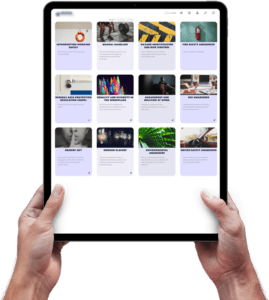
The vLearning Platform is designed to be built into the day-to-day work routine, you can allocate staff learning based on agreed learning objectives, provide engaging formats for learning, and provide choice for the learner.
How? The vLearning Platform provides users with their personal dashboard showing the learning activities allocated to them. They have their own workflow of learning activities showing what learning content is next and when it should be completed by. These learning workflows include all types of activities within their learning objective from videos, to courses, documents, assignments, coaching and more. Within their dashboard they can clearly see their learning priorities, search through a range of learning resources available to them, and see any learning deadlines they may have.
Each learner will also have notification to keep them on track with their learning and continually engaged in their own personal learning workflow based on their learning needs.

2. Making Learning Accessible and Relevant
The Workplace Need
The sheer volume of information available to people today is enormous. There is so much choice it can be hard to find learning resources that are relevant and appropriate for the individual and their role. A lot of time can be wasted trying to find the right resources and often learner enthusiasm gives up before they’ve even found the right resources for them. A platform with easy UX, as well as built-in AI and machine learning can play a pivotal role in curating and recommending relevant content based on individual learning paths. By integrating AI, organisations can make learning more accessible and personalised, ensuring that employees receive training that is directly relevant to their roles and career goals.
The vLearning Solution
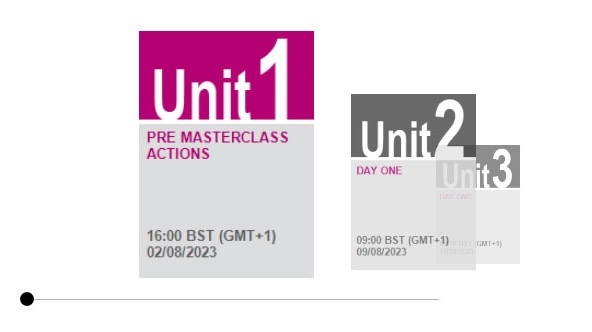
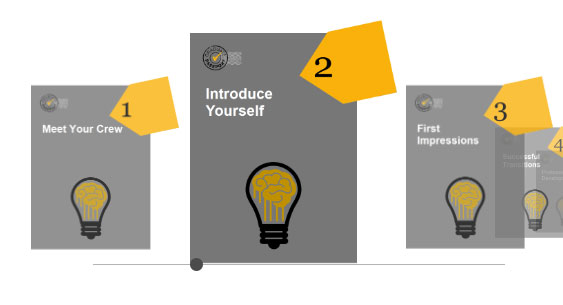
The most popular function of the vLearning Platform are the Learning Workflows. A Learning Workflow is a means to organise multiple learning events into one learning objective, and allocate this objective and all it´s associated learning events, to the relevant teams. This creates a personal, visual display showing each member of staff how far they are along their learning workflow and what learning activities are their next priority. Thus making the most relevant and important learning activities instantly accessible.
Moreover, the vLearning Platform is designed more like a website than an old-school LMS. This means that staff have visual cues to guide them through the search for the right content, imagine you are getting sucked into a social stream rabbit hole, rather than searching through a list of file names. Our UX is designed to make learning more accessible and addictive.

3. Focusing on Digital and Soft Skills
The Workplace Need
As the digital transformation of workplaces accelerates, so does the demand for digital skills. KPMG’s findings highlight the need for continuous upskilling in digital competencies, from basic digital literacy to more advanced technical skills. Additionally, soft skills, such as communication, teamwork, and adaptability, remain crucial. The blend of digital and soft skills training prepares employees to thrive in a tech-driven environment while maintaining strong interpersonal connections.
The vLearning Solution
With the Learning Workflows on the vLearning Platform, you can create a workflow for a soft skill or digital skill. Within this workflow you can include a range of types of learning activities, from videos, to webpages, documents, courses and more. Your staff can choose to enrol in the workflow and choose the content within the workflow that is relevant to them.
As such, you are providing a learning focus within your company for developing specific skills, simply by making the learning accessible. Want to increase staff AI skills? Create an AI Learning Workflow! Want to improve project management skills? Create a Project Management Learning Workflow!
4. Employing Diverse Learning Approaches
The Workplace Need
The research suggests that varied learning approaches are essential to keep employees engaged and motivated. This can include a mix of traditional learning methods with innovative digital platforms, such as online courses, virtual workshops, and interactive simulations. This variety caters to different learning styles and preferences, ensuring that all employees can benefit from the training provided.
The vLearning Solution
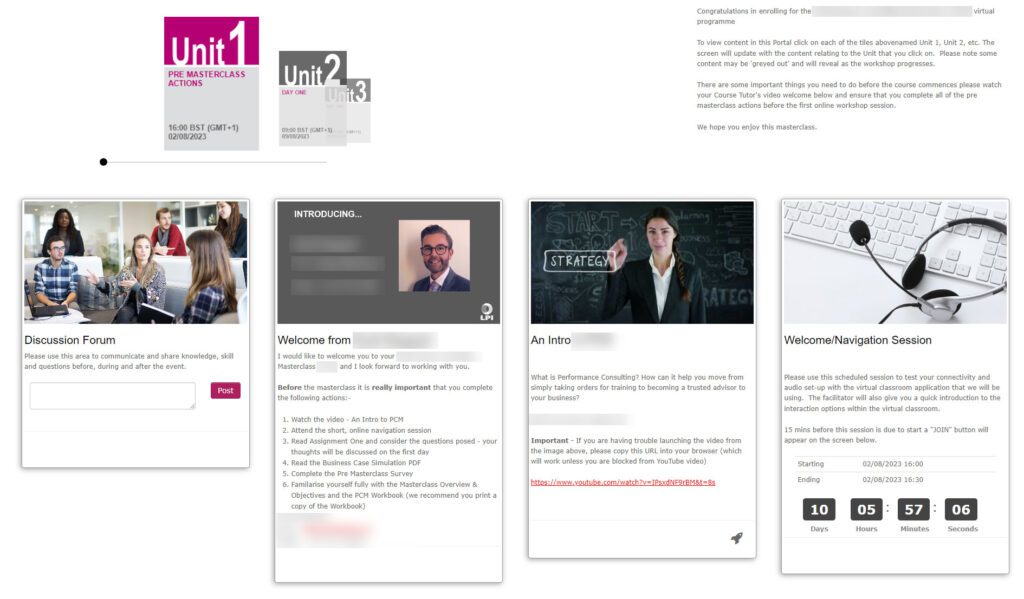
Do you ever get fed up with having to send people to different sites and apps to get different types of L&D resources? What if all your learning and development activities could be in one place? This is exactly what we have done at vLearning. We have created a simple point for all learning activities, from courses, to videos, files, quizzes, assignments, coaching, meetings, and even organising F2F learning.
Within a Learning Workflow assigned to each member of staff they can access a multitude of types of learning activities within their learning objective. Thus making their learning pathway more interactive, varied, engaging, and accessible.

5. Leveraging Social Media and Microlearning
The Workplace Need
The rise of social media and microlearning offers new avenues for delivering training. Social media platforms can be used to share quick, digestible content that reinforces learning in a way that feels natural and engaging. Microlearning, in particular, is effective for breaking down complex topics into smaller, manageable pieces, which can be absorbed quickly and easily by employees. This approach not only makes learning more accessible but also helps in retaining information over time.
The vLearning Solution
Embedded into the vLearning Platform are hyper focus social discussions. These discussion forums are linked to learning objectives and learning paths. This enables staff who share a specific learning objective to discuss the learning and share thoughts as well as ask questions.
The ability to engage in coaching, tests and feedback within the platform also means that if you want to build connections between learners and the ´manager´or ´expert´of the learning objective, you can create a means for learners to get guidance and feedback from an in-house guru.



Conclusion
KPMG’s research underscores the importance of adapting workplace learning to meet the demands of the modern, digital-centric workplace. By prioritising time for learning, leveraging AI, focusing on both digital and soft skills, employing diverse learning methods, and embracing social media and microlearning, organisations can create a robust learning environment. This not only enhances individual employee development but also drives overall organisational success in an increasingly competitive landscape.
At vLearning we pride ourselves on the continual development of our learning platform to meet the evolving digital needs of our clients. To find out more and demo the product, get in touch.
X
LinkedIn