Is Your Learning an ‘Experience’ or Just Another Event?

Traditional learning, often confined to one off workshops or lectures, can feel like a whirlwind of information. While valuable, this approach often leaves learners overwhelmed and unsure how to apply what they have learned. Let’s contrast that with experiential learning:

  Learning as an Event Learning as an Experience
Focus Content delivery Active participation, skill-building, behaviour change.
Format Lectures, workshops, webinars. Simulations, role-plays, projects, mentoring, real-world application
Engagement Primarily passive. Interactive, hands-on
Outcome Short-term knowledge Deeper understanding, lasting behaviour change, improved performance.

Why Experiential Learning Matters

  • Sparks Curiosity: Engages and motivates learners through hands-on activities and challenges.
  • Enhances Retention: We learn best by doing, applying knowledge in real-world scenarios solidifies understanding.
  • Builds Problem Solving Skills: Encourages critical thinking and creative solutions through practical application.
  • Boosts Confidence: Empowers learners to apply skills and achieve real results building confidence.
  • Strengthens Collaboration: Fosters teamwork and knowledge sharing through group activities and projects.

How Digital Platforms Enhance the Learning Experience

Digital platforms accelerate and enhance experiential learning by offering:

  • Interactive, Immersive Content:
    • Diverse formats: Videos, virtual classrooms, simulations, games, interactive quizzes, podcasts, etc.
    • Active learning: Encourage hands-on practice, problem-solving, and critical thinking.
    • Safe practice environments: Simulate real-world scenarios without risk.
    • Targeted feedback: Provide personalised feedback to reinforce learning and pinpoint areas for improvement.
    •  

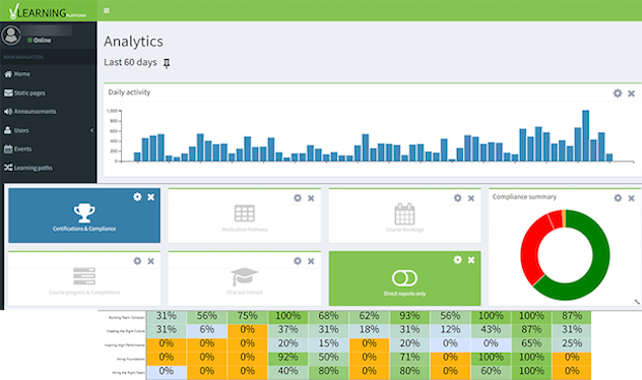
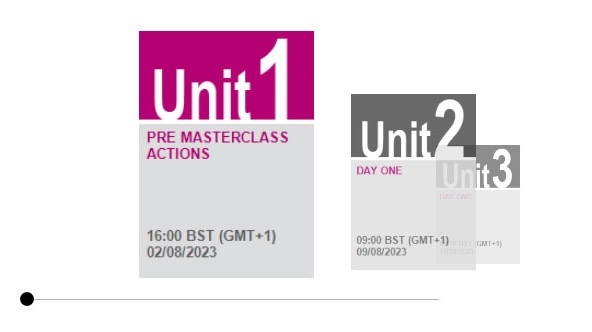
UX Learning Dashboard Cards
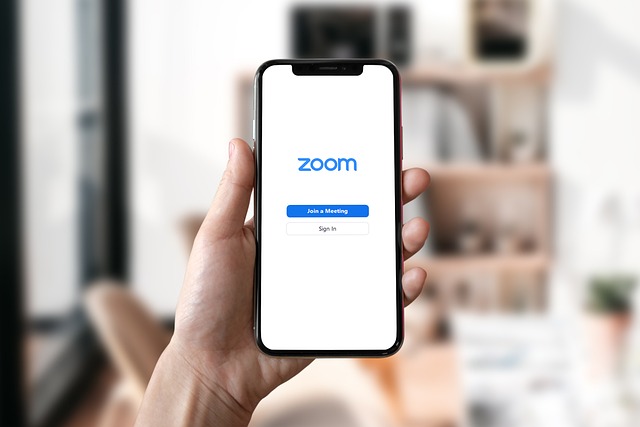
Zoom login
  • Collaborative Spaces:
    • Online communities and forums: Foster peer-to-peer learning and knowledge sharing.
    • Discussion boards: Facilitate Q&A sessions and expert-led discussions.
    • Group projects and activities: Encourage collaboration and teamwork.
    • Social learning features: Allow learners to connect, share insights, and build networks.
Asking a question online

  • Personalised Learning Paths:
    • Adaptive learning algorithms: Tailor content and activities based on individual needs and progress.
    • Skill gap analysis: Identify knowledge gaps and recommend relevant content.
      • Competency-based learning: Focus on mastery of specific skills and knowledge.
      • Choice and autonomy: Empower learners to select their preferred learning paths.

Paths to chose
  • Data Driven Insights:
    • Detailed analytics and reporting: Track learner progress, engagement, and performance.
    • Identify trends and patterns: Uncover insights to optimize learning programs.
    • Measure impact and ROI: Demonstrate the effectiveness of training initiatives.
    • Continuous improvement: Use data to refine content and delivery methods.
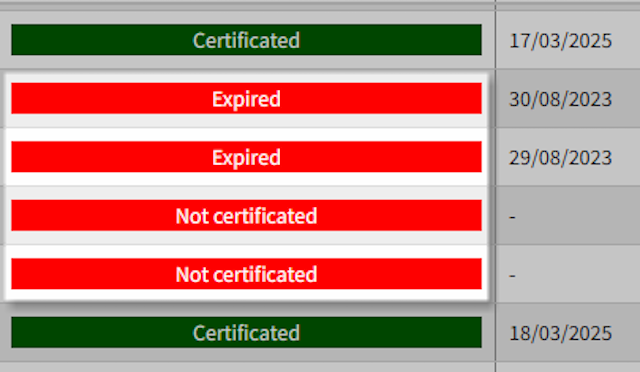
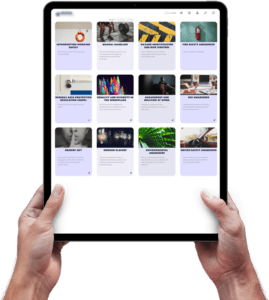
learning platform image with card design
  • Accessible, On-Demand Learning:
    • Mobile-friendly design: Access content on any device, anytime, anywhere.
    • Microlearning modules: Deliver bite-sized content for easy consumption.
    • Offline access: Allow learning even without an internet connection.
    • Self-paced learning: Enable learners to control their own learning journey.
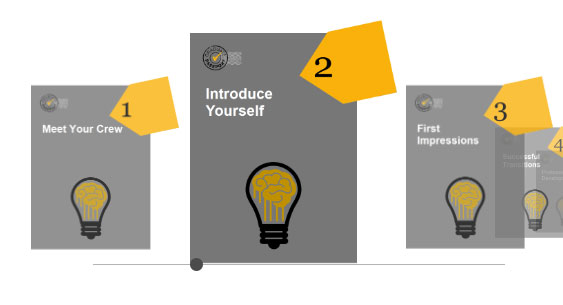
Carousel Dashboard
  • Rapid Development and Updates:
    • Intuitive authoring tools: Create and update content quickly and easily.
    • Content curation capabilities: Integrate external resources and curate relevant content.
    • Agile content management: Adapt to changing needs and keep content fresh.
    • Version control: Track changes and maintain content consistency.
  • Gamification and Rewards:
    • Badges, points, leaderboards: Motivate learners and increase engagement.
    • Challenges and competitions: Make learning fun and competitive.
    • Reward systems: Recognise achievements and encourage progress.

By combining these features, Digital Platforms enable a continuous cycle of experiential learning. Learners engage with dynamic content, apply their knowledge in practical settings, receive targeted feedback, and collaborate with peers, all while progressing at their own pace. This approach not only accelerates skill development but also fosters a deeper understanding of the subject matter, leading to better performance and long-term retention.

Ready to Reimagine Learning in your Organisation?

If your current programs feel more like events than experiences, it’s time to embrace the transformative power of experiential learning. Let’s explore how the right Digital Platform can help you manage everything in one place with one easy system to create impactful learning experiences that truly engage, inspire, and empower your team unlocking their full potential.