

Mastering Learning Workflows
Optimise Your Learning Delivery
(and Utilise Programatic Learning Techniques)

Programmatic Learning integrates learning activities into a cohesive learning program designed to achieve specific outcomes. Research from Fosway has highlighted the importance of structured, continuous, and relevant learning experiences. Learning experiences that are aligned with organisational goals and learner needs.
Programmatic Learning is a method to ensure that training delivery is effectively tied to business objectives, leading to more effective business outcomes from learning. Key elements include integration of learning events, continuous learning, personalisation, and measurement using data analytics to track progress and refine strategies.
In the context of Programmatic Learning, a learning workflow is a sequence of learning activities designed to guide learners through a structured learning experience. The learning workflow integrates a series of learning events, resources, and assessments into a program aimed at achieving specific, measurable learning outcomes.
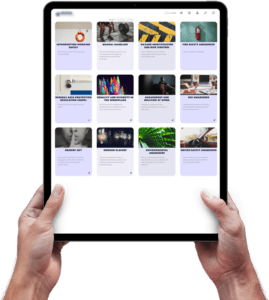
At vLearning Solutions we have developed a simple and user friendly system to build your own workflows. You simply drag and drop multiple learning resources into a workflow for a specific learning objective, then assign it to relevant staff. It´s our effective delivery system for Programmatic Learning. Our learning platform enables the integration of ALL learning resources in one platform, from courses, to coaching, webpages, and so much more. Making seamless delivery of a learning workflow possible.
Try out how it works below.
-
- Clear Learning Workflow Objectives: Defining precise goals that learners need to accomplish, ensuring that each step in the workflow aligns with these objectives.
- Structured Content Delivery: Automatically distribute learning materials in a logical order, such as multimedia content, interactive modules, and readings, to build knowledge progressively.
- Interactive Activities and Assignments: Engaging learners with tasks like quizzes, assignments, and projects that reinforce learning and provide hands-on experience.
- Continuous Assessments: Implementing regular evaluations to monitor learners’ understanding and progress, including formative assessments, summative assessments, and peer reviews.
- Timely Feedback: Offering immediate and constructive feedback to learners to help them improve and stay on track, utilising both automated systems and instructor input.
- Progress Monitoring: Using tracking tools to record learners’ advancement through the program, identifying milestones and completion rates to ensure they are meeting their learning goals.
- Collaborative Opportunities: Facilitating interactions among learners, instructors, and mentors, and collaborative tools to enhance learning through peer-to-peer engagement.
- Supportive Resources: Providing additional materials and support systems, such as help guides, FAQs, and access to instructors, to assist learners in overcoming challenges and achieving success.
- Reflection and Review: Incorporating opportunities for learners to reflect on their learning journey, review what they have learned, and plan how to apply their new knowledge in real-world scenarios.
Programmatic Learning emphasises the importance of a holistic and integrated approach to education. Our learning workflows are meticulously designed to create a seamless and impactful learning experience. This methodology ensures that learning is not just a series of isolated events but a continuous and connected journey towards achieving greater competency and performance.
To find out more view our Use Cases or Book a Demo to see the functions of the vLearning Solutions platform.

Learning Workflow Builder
Step 1
Step 2
Step 3
Reading
Video Lecture
Quiz
Discussion
Assignment
Group Project
These learning workflows enable you to deliver Programmatic Learning by collating all your learning resources in one place, using just one central platform. So, how do our learning workflows add up to the theory of Programmatic Learning?…
-
- Clear Learning Workflow Objectives: Defining precise goals that learners need to accomplish, ensuring that each step in the workflow aligns with these objectives.
- Structured Content Delivery: Automatically distribute learning materials in a logical order, such as multimedia content, interactive modules, and readings, to build knowledge progressively.
- Interactive Activities and Assignments: Engaging learners with tasks like quizzes, assignments, and projects that reinforce learning and provide hands-on experience.
- Continuous Assessments: Implementing regular evaluations to monitor learners’ understanding and progress, including formative assessments, summative assessments, and peer reviews.
- Timely Feedback: Offering immediate and constructive feedback to learners to help them improve and stay on track, utilising both automated systems and instructor input.
- Progress Monitoring: Using tracking tools to record learners’ advancement through the program, identifying milestones and completion rates to ensure they are meeting their learning goals.
- Collaborative Opportunities: Facilitating interactions among learners, instructors, and mentors, and collaborative tools to enhance learning through peer-to-peer engagement.
- Supportive Resources: Providing additional materials and support systems, such as help guides, FAQs, and access to instructors, to assist learners in overcoming challenges and achieving success.
- Reflection and Review: Incorporating opportunities for learners to reflect on their learning journey, review what they have learned, and plan how to apply their new knowledge in real-world scenarios.
Programmatic Learning emphasises the importance of a holistic and integrated approach to education. Our learning workflows are meticulously designed to create a seamless and impactful learning experience. This methodology ensures that learning is not just a series of isolated events but a continuous and connected journey towards achieving greater competency and performance.
To find out more view our Use Cases or Book a Demo to see the functions of the vLearning Solutions platform.